
November is one of the best times to add new plants, trees, and shrubs to your Southern California yard. While many homeowners wait until spring to start landscaping, the cooler fall weather creates favorable conditions for new plants to establish their roots before summer.
For homeowners in San Pedro, Palos Verdes, Torrance, and Long Beach, November is an excellent opportunity to refresh planting beds, introduce drought-tolerant landscaping, and prepare for a healthier garden in the coming year.
But not every plant is suited for fall planting. Here's what grows well this time of year and what to consider before getting started.
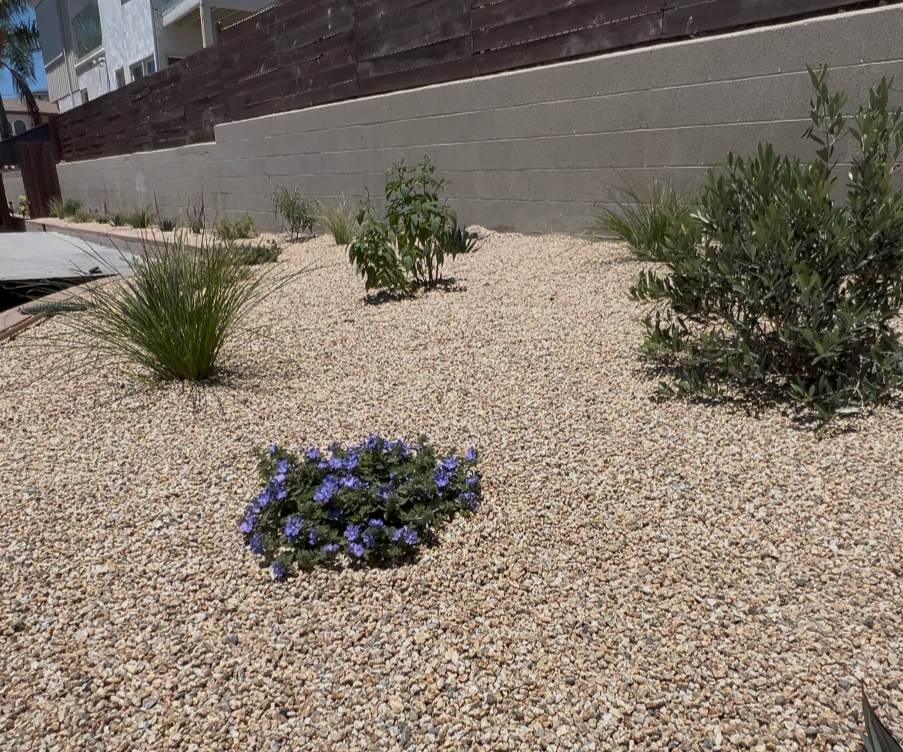
Why Is November a Good Time for Planting?
Southern California's mild fall temperatures make November particularly favorable for planting.
During the summer, newly installed plants can struggle with intense heat and rapid moisture loss. By November, cooler days reduce some of that stress, while soil temperatures often remain warm enough to encourage root growth.
Seasonal rainfall can also help new plants become established, although supplemental watering is still important when rain is limited.
Planting now gives many trees and shrubs several cooler months to develop their roots before the hotter, drier weather returns.
1. California Native Plants
California native plants are among the best choices for November planting because many are naturally adapted to our region's seasonal rainfall and dry summers.
Some options to consider include:
California lilac (Ceanothus): An evergreen shrub known for its blue or purple spring flowers. It works well in sunny locations with good drainage.
Cleveland sage: An aromatic native shrub with purple flowers that attract pollinators.
Toyon: An evergreen shrub or small tree with red winter berries that provide food for birds.
Lemonade berry: A hardy evergreen shrub that can work well in coastal landscapes and screening areas.
Manzanita: A distinctive native shrub with attractive branching and low water needs once established.
These plants can add texture, seasonal color, and wildlife value to residential landscapes.
However, native plants aren't maintenance-free. Choosing the right location, soil conditions, and irrigation schedule is essential, particularly during the first year.
2. Trees for Southern California Yards
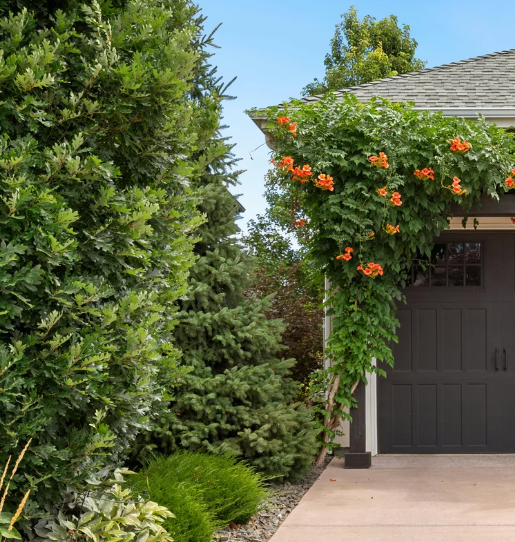
Tree planting for privacy in Redondo Beach, CA.
November is also a good time to plant many container-grown trees.
Trees can provide shade, privacy, and structure to a landscape, but selecting the right species is especially important in residential yards.
Depending on available space and growing conditions, homeowners might consider:
Western redbud: A small ornamental tree with colorful spring flowers.
Coast live oak: A California native evergreen suited to properties with sufficient room for its mature canopy and roots.
Strawberry tree: An evergreen ornamental tree with attractive bark, flowers, and fruit.
Before planting a tree, consider its mature size, distance from structures, underground utilities, and future maintenance needs.
For smaller yards in Torrance or Long Beach, a compact ornamental tree may be more practical than a large shade tree.
3. Drought-Tolerant Shrubs and Landscaping Plants
Fall is an excellent time to introduce many drought-tolerant shrubs that can add color and structure without requiring the same watering schedule as a traditional lawn.
Popular options include:
Lavender: Adds fragrance and purple flowers to sunny planting beds.
Rosemary: An aromatic evergreen that works well in Mediterranean-style landscaping.
California buckwheat: A native plant that provides flowers and supports pollinators.
Coffeeberry: An evergreen California native that can be used for screening or natural-looking planting areas.
Drought-tolerant doesn't mean a plant can go without water immediately after installation. New plants need consistent moisture while their roots become established.
It's also important to group plants with similar watering needs so irrigation can be managed efficiently.
4. Cool-Season Flowers for Fall and Winter Color

If your landscaping needs a little color before the holidays, November is a good time to install cool-season flowers.
Some popular choices include:
Pansies
Violas
Snapdragons
Calendula
Sweet peas
These flowers can brighten entryways, borders, and garden beds during the cooler months.
For homeowners planning a larger landscape refresh, seasonal flowers can also complement permanent shrubs and trees.
What Should You Avoid Planting in November?
Although November is a favorable planting month, some plants are better installed when warmer weather returns.
Frost-sensitive tropical plants and certain warm-season varieties may struggle during cold or unusually wet conditions.
Even in coastal communities with relatively mild winters, it's important to consider the property's microclimate.
A protected backyard in San Pedro may have different growing conditions than an exposed hillside property in Palos Verdes.
The best planting choices depend on sunlight, drainage, wind exposure, soil type, and available space.
How to Prepare Your Yard for November Planting
Successful planting starts with more than choosing attractive plants.
Before installation, consider these important steps:
Evaluate the soil and drainage. Soil that stays saturated can cause root problems, particularly for drought-tolerant California natives.
Choose the right planting locations. Consider how much sunlight each area receives and how large the plants will grow.
Check the irrigation system. Newly planted trees and shrubs need appropriate watering even during the rainy season.
Add mulch where appropriate. Mulch can help regulate soil moisture and temperature. Keep it away from direct contact with trunks and stems.
Plan for long-term growth. Proper spacing can reduce overcrowding and unnecessary trimming as plants mature.
A thoughtfully planned planting project can make a yard easier to maintain while improving its overall appearance.
Professional Planting Services in San Pedro, Palos Verdes, Torrance, and Long Beach
With more than 30 years of landscaping experience, Jonakee Landscaping helps South Bay homeowners improve their outdoor spaces through professional planting and landscape installation.
Whether you're replacing older shrubs, adding trees for privacy, refreshing garden beds, or planning a larger landscaping project, selecting plants that fit your property makes a difference.
Our team works with homeowners throughout San Pedro, Rancho Palos Verdes, Palos Verdes Estates, Torrance, Long Beach, and surrounding communities.
Ready to Refresh Your Landscaping This Fall?
You don't have to wait until spring to improve your yard. November is a great time to introduce new trees, shrubs, and plants that can grow into a beautiful landscape.
Jonakee Landscaping provides professional planting and landscaping services throughout San Pedro, Palos Verdes, Torrance, Long Beach, and the surrounding South Bay.
Frequently Asked Questions
Is November too late to plant shrubs in Southern California?
No. November is an excellent planting month for many shrubs, particularly California natives and drought-tolerant varieties. Cooler temperatures can help reduce transplant stress while roots become established.
Can you plant trees in November?
Yes. Many container-grown trees can be planted successfully in November. The right choice depends on the tree species, available space, soil conditions, and location.
Do newly planted trees and shrubs still need watering in winter?
Yes. New plants need regular moisture while their roots establish. Rainfall may reduce the need for irrigation, but soil moisture should still be monitored.
Is fall better than spring for planting California natives?
Fall is generally preferred for many California native plants because cooler temperatures and seasonal rainfall support root establishment before summer.
