
You look outside after a heavy rainstorm and notice something isn't right. Soil has washed down your hillside, mulch is scattered across the walkway, or water has carved a small channel through your backyard.
Is this a drainage problem? Do you need a retaining wall? And who exactly do you hire to fix it?
For homeowners in Palos Verdes, San Pedro, Torrance, and surrounding South Bay communities, these are important questions, especially with El Niño influencing Southern California's upcoming winter.
The good news is that not every erosion problem requires a major construction project. Sometimes, improving drainage or adjusting the landscape can make a significant difference. Other situations require engineered solutions.
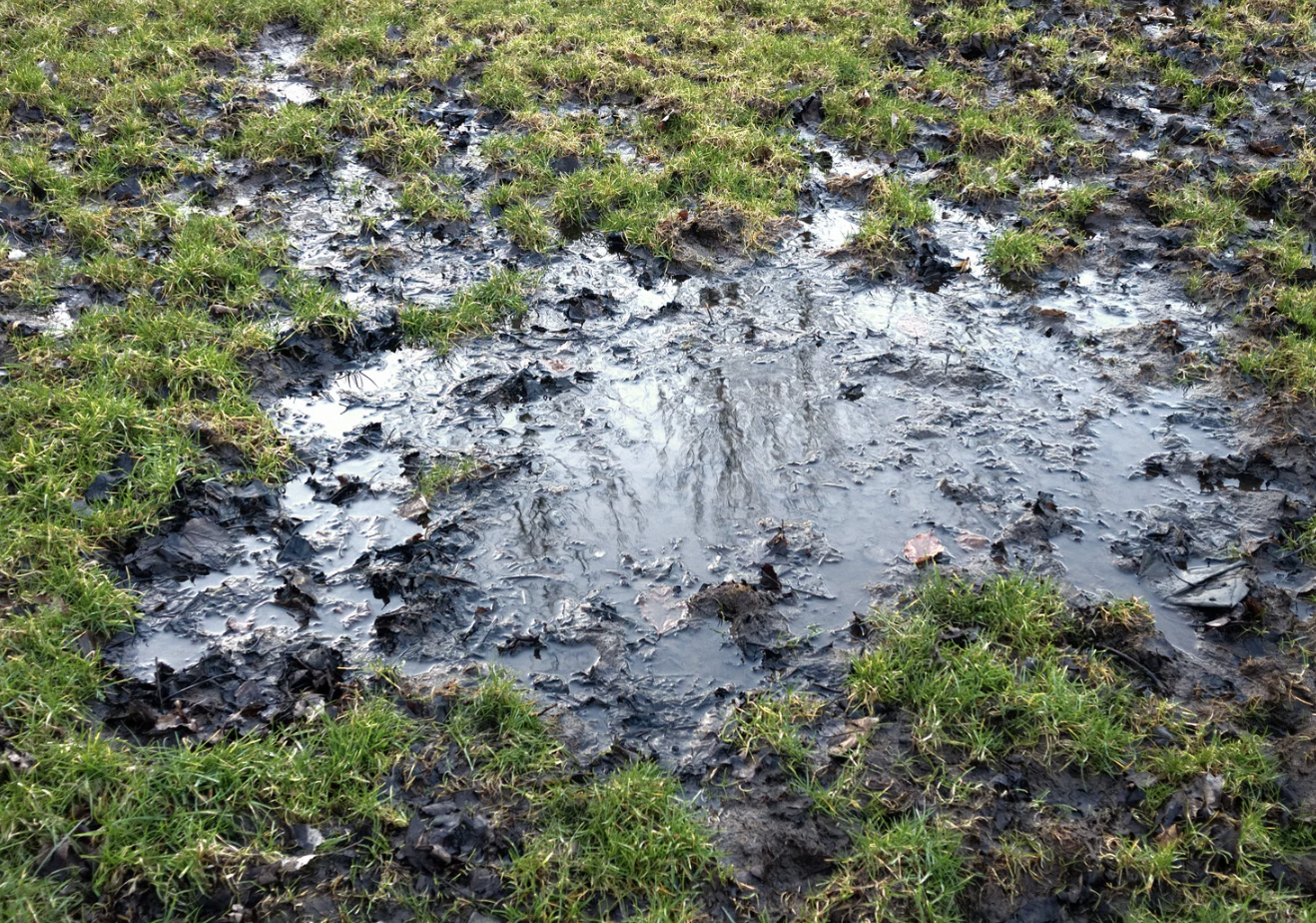
El Niño 2026–2027: Why South Bay Homeowners Should Prepare
According to the National Oceanic and Atmospheric Administration's October 15, 2026 winter outlook, wetter-than-average conditions are favored across much of the southern United States, including parts of California, during winter 2026–2027.
That doesn't guarantee flooding or landslides in the South Bay. However, it does make preparing existing drainage systems and vulnerable landscaping particularly worthwhile.
Heavy rainfall can expose problems that aren't noticeable during dry weather, including:
Soil erosion around slopes and planting beds
Water collecting against patios, walkways, and foundations
Runoff washing gravel, mulch, or loose soil downhill
Poorly directed downspouts and landscape drainage
Excess water accumulating behind existing retaining walls
If your property has experienced any of these issues during previous storms, addressing them before the next heavy rainfall may help prevent additional damage.
My Backyard Is Washing Away. What Is Causing It?
Before choosing a contractor, it's important to understand where the water is coming from and why the soil is moving.
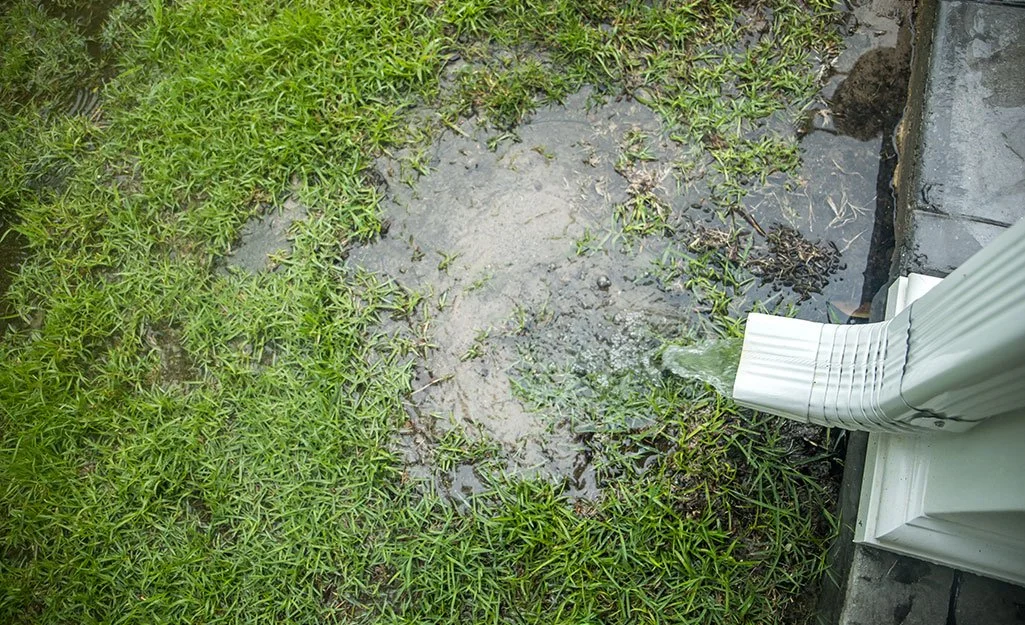
1. Poor Yard Drainage
If water collects in one area or travels across your yard instead of draining properly, it can carry loose soil and landscaping materials with it.
Depending on the property, possible solutions include drainage pipes, catch basins, grading adjustments, or other landscape drainage improvements.
2. Sloped Landscaping and Exposed Soil
Properties with hillsides or sloped yards may experience surface erosion when rainwater flows over unprotected soil.
This can be particularly relevant for hillside properties in Rancho Palos Verdes, Rolling Hills Estates, and parts of San Pedro.
Ground cover, appropriate planting, erosion-control materials, and drainage improvements may help with minor surface erosion. However, visible ground movement, substantial cracking, or signs of slope instability require evaluation by a qualified geotechnical or structural professional.
3. An Existing Retaining Wall Isn't Draining Properly
Retaining walls hold back soil, but they also need appropriate drainage.
When water accumulates behind a wall, pressure can increase. Depending on the wall's condition and design, this can contribute to cracking, leaning, or other damage.
A visibly leaning, bulging, or significantly cracked retaining wall should be assessed by a qualified professional rather than treated as a routine landscaping repair.
Do I Need a Retaining Wall or Better Drainage?
A retaining wall and a drainage system solve different problems, although some properties may need both.
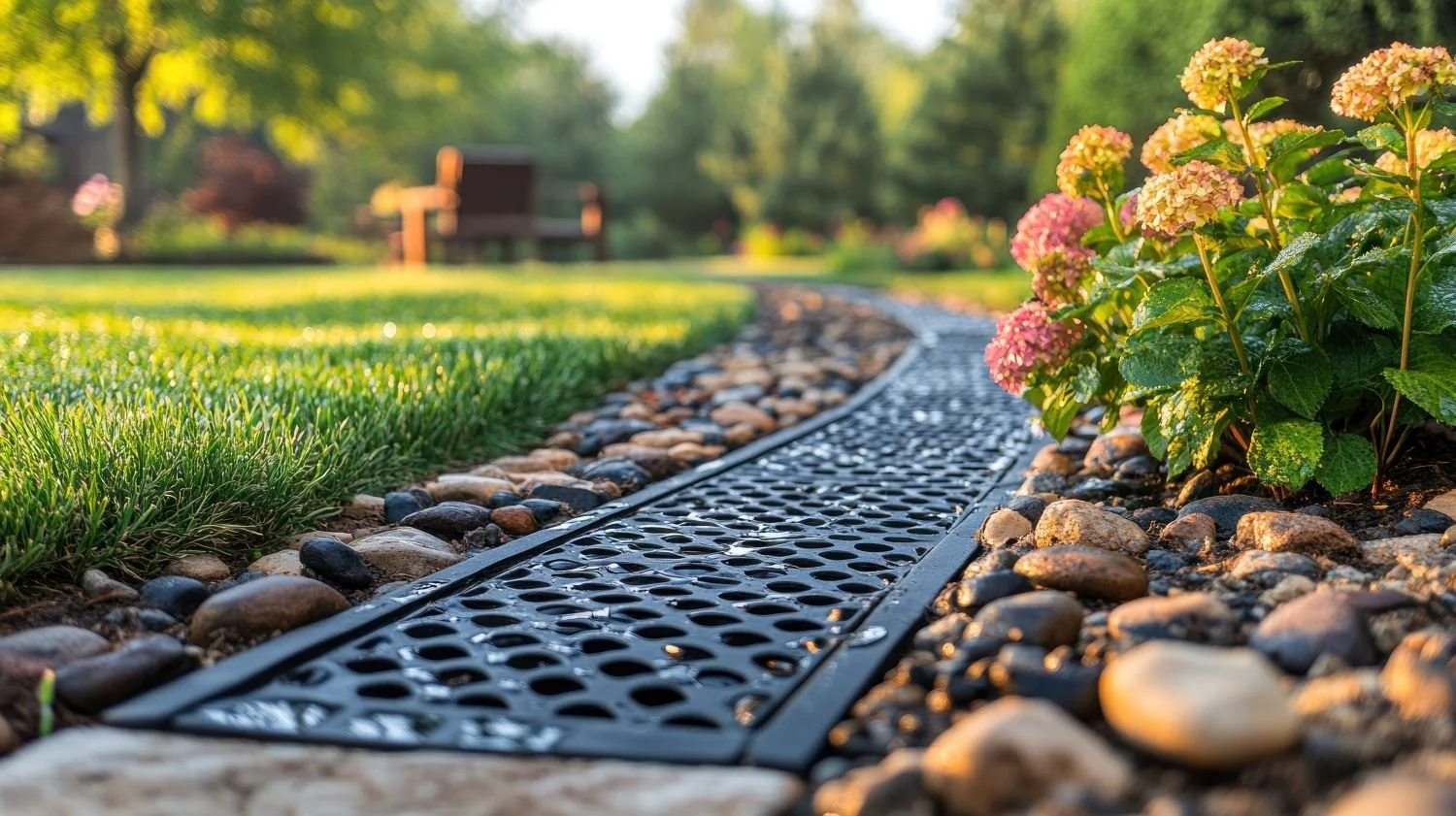
When Drainage Improvements May Help
If the main problem is standing water, runoff, or soil washing away because water isn't being directed properly, drainage improvements may be the first thing to investigate.
Potential options include:
Catch basin installation
Landscape drainage pipes
Surface grading improvements
Redirecting runoff away from vulnerable landscaped areas
Drainage improvements around patios and walkways
For example, a Torrance homeowner with water pooling in a relatively flat backyard may need drainage corrections rather than a retaining wall.
When a Retaining Wall May Be Appropriate
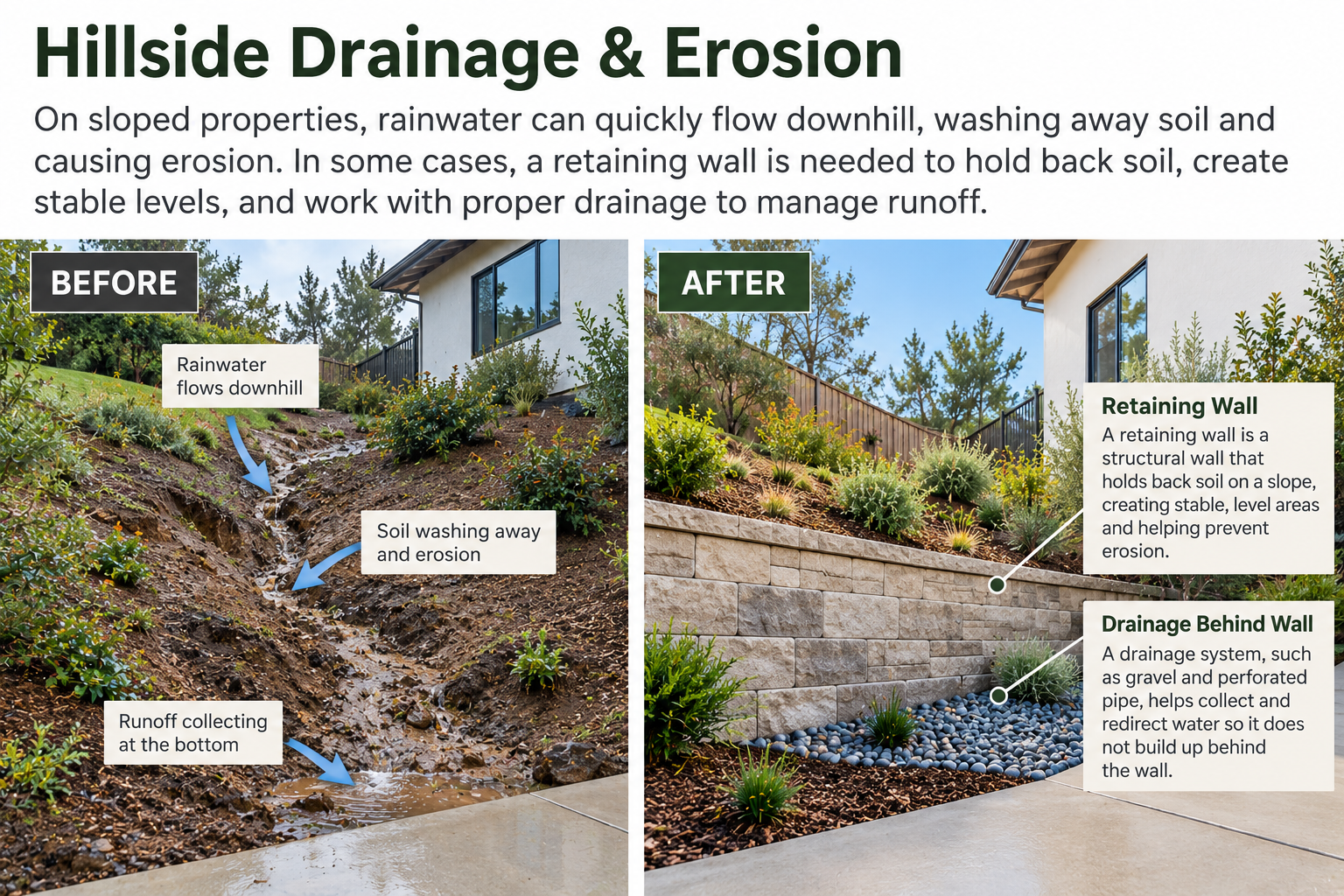
A retaining wall may be appropriate when a landscape design requires soil to be held at different elevations.
For hillside properties in Palos Verdes or San Pedro, retaining walls can be part of a larger landscape improvement involving grading, drainage, and erosion control.
However, retaining walls are not a universal solution for erosion or unstable slopes. Structural walls, hillside stabilization, and work near foundations may require engineered plans, permits, and specialized contractors.
The right approach depends on the site's soil conditions, slope, water movement, and proposed construction.
Who Do I Hire to Fix Yard Erosion or Rainwater Damage?
It depends on the problem.
A landscape contractor may be appropriate for routine yard drainage, minor surface erosion, landscape grading, planting, and retaining wall installation.
A geotechnical or structural engineer may be necessary when there are signs of slope instability, significant retaining wall damage, foundation movement, or other structural concerns.
If you're unsure which type of work your yard needs, begin by identifying the symptoms rather than assuming a retaining wall is the answer.
Rain Preparation for Palos Verdes, San Pedro, and Torrance Homes
Different South Bay properties can experience different landscaping challenges.
Palos Verdes and Rolling Hills Estates: Hillside landscaping, changes in elevation, and existing retaining walls can make water management especially important. Homeowners should pay attention to concentrated runoff, blocked drainage outlets, and visible changes in slopes or retaining walls.
San Pedro: Properties with sloped yards, older landscaping, and varying elevations may benefit from reviewing drainage pathways before heavy winter rainfall.Even smaller yards can experience erosion when runoff repeatedly follows the same route.
Torrance: Flat or gently sloped residential yards can experience standing water, saturated planting beds, and runoff around paved surfaces. In these situations, drainage and grading improvements may be more relevant than constructing a retaining wall.
What Should You Check Before the Next Heavy Rain?
Start with a few practical observations:
Look for areas where soil, mulch, or gravel has already washed away.
Check whether landscape drains and visible outlets are blocked.
Observe where downspouts discharge water.
Look for standing water around patios, walkways, and planting beds.
Note any new cracks, leaning walls, or unexpected ground movement.
Avoid walking on unstable slopes or attempting repairs near a damaged retaining wall. If you notice substantial soil movement or structural damage, seek an appropriate professional assessment promptly.
Need Help With Landscape Drainage or Retaining Walls in the South Bay?
Not every yard that washes away during heavy rain needs a new retaining wall. The right solution starts with understanding the property's drainage, slope, and landscaping conditions.
Jonakee Landscaping has over 30 years of experience providing landscaping and hardscaping services throughout the South Bay, including residential drainage improvements and retaining wall projects.
Whether you're dealing with recurring runoff, eroding planting beds, or planning a landscape improvement before winter, our team can discuss the services appropriate for your property.
Contact Jonakee Landscaping to request a consultation for landscape drainage and retaining wall services in Palos Verdes, San Pedro, Torrance, and surrounding South Bay communities.
